GTL: Journalists Expose Widespread Esports Immaturity
By Twin Galaxies Editorial Staff ·
From inappropriate behaviour to player suspensions, drama runs rampant in esports. What is the best way to shine light on this topic without stoking the fires? Plus, what's being done to get players ready for the public eye?
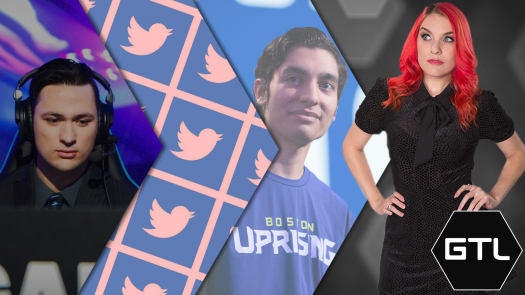
With the rise of Esports comes an increase in scrutiny, with many more instances of bad behaviour coming to light. Is this a symptom of the rapid growth, or are we just now more aware of when things go poorly? Plus, are esports journalists responsible for sculpting the narrative, or are they just there to report the facts? On this episode of Game Talk Live, host Mandie Roman covers these topics alongside her panel of experts, this week joined by Nicola Piggott of Story Mob, Rod Breslau aka Slasher, and Nick D’Orazio of InvenGlobal.
Our panel begins by discussing the difference between Esports and traditional sports, in terms of their media training. Should high profile gamers be taught how to deal with the media, or is this something that will naturally occur over time? Discussion includes whether there is an increase in bad behaviour or if it’s more a symptom of an increase in player numbers that causes so many instances of bad press to occur.
"I believe that #esports #players as a total make up a very respectful, well spoken athlete core." -@nicolapiggott of @TheStoryMob
— GameTalkLive (@GameTalkLive) April 23, 2018
Watch Live: https://t.co/Q6Nwps4YDS#PR #videogames pic.twitter.com/FGFemWvxjr
The panel then looks at the level of readiness that players are lacking when it comes to dealing with new found fame. Should coaches be more responsible for guiding players through social media and interactions, and if so, how can they themselves gain the knowledge when they aren’t much older or wiser than the players? The discussion turns to the “Esports Ready” mentality that game developers have, which can limit the time available to find good players who are also able to handle the pressure of being in the spotlight.
"The fact that #esports is so big and its growing so fast, you have #games that are coming out and the same year there’s already and esports presence." -@nickdorazio3rd
— GameTalkLive (@GameTalkLive) April 23, 2018
Watch Live: https://t.co/Q6Nwps4YDS pic.twitter.com/pT18qqzgpX
The discussion turns to the situation with Jonathan "Dreamkazper" Sanchez, a player from the Boston Uprising in the Overwatch League who was fired when it was discovered that he allegedly had an online affair with an underage girl. With the severity of the claims against him, is it appropriate for the Overwatch League and the Boston Uprising to dish out the punishments that they did, and how can the various Leagues and Esports handle scandals of this level? The panel also talks about the impact of losing him has had on the team, and whether more could have been done to prevent this.
The panel then looks at the criticism of how news of this kind is handled by esports journalists, and whether it could have been covered better. The panel talks about the realities of breaking news, and the effects it can have on the careers of not only the players, but the writers themselves. The discussion centres on the desire for teams to acquire players with established fan bases, while also managing the situations that arise in doing so.
"What every player needs to realize is that each new team is a new brand. You're going to be a different player playing for Liquid than for TSM" - @nicolapiggott
— GameTalkLive (@GameTalkLive) April 23, 2018
Full episode: https://t.co/Q6Nwps4YDS pic.twitter.com/uKLB0PVEED
Finally, the panel looks at the role of esports journalists in sculpting the narrative. Is there an expectation that certain stories need to be more serious than others, and how can writers make sure they aren’t damaging the parties involved? The panel also looks at the desire for drama that exists in the scene right now, and what that means for the content that is produced. The panel also looks at the difference between esports journalism and traditional journalism, and the pros and cons of each approach.
“It’s more about for me that I want to be accurate and I want to be correct and being wrong doesn’t really hurt the community, it just hurts my reputation" - @Slasher
— GameTalkLive (@GameTalkLive) April 23, 2018
Full episode: https://t.co/Q6Nwps4YDS pic.twitter.com/KS4lNXG2tr
Game Talk Live has wrapped up for today, but you can see it in its entirety in the embedded video above. Catch up on the previous Game Talk Live as well where a panel of experts talk about how the rise of esports continues to evolve the video game industry.