GTL: Fortnite Fever Rages On Amongst Kids
By Twin Galaxies Editorial Staff ·
The popularity of Epic Games' Fortnite among young gamers is leaving kids vulnerable. Luckily, streamer Ninja chooses to tone down vulgar language for his under aged audience, and teachers adapt by incorporating game terminology into their lesson plans. At the same time, children as young as 9 are being sent to rehab for their Fortnite addictions, and the World Health Organization (WHO) now categorizes Gaming Disorder as a mental condition.
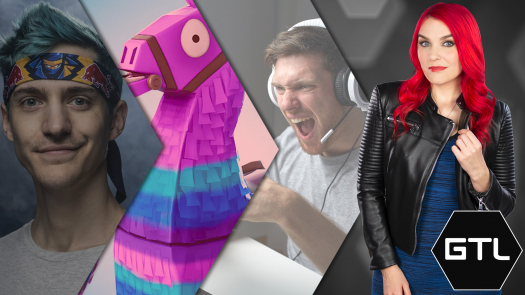
With the growth of Fortnite also comes the growth of streamers who target the market that makes up the majority of viewers, kids. With high profile streamers such as Ninja making efforts to become more family friendly, have they abandoned their roots in more adult gaming content, or is this the natural evolution of the platform. On this episode of Game Talk Live, Host Mandie Roman covers these topics and more alongside her panel of experts, this week joined by Jon Brence aka Kawaii Guy and Ian Tingen of Power Level Productions.
The panel starts off the show by looking at Ninja and his pledge to become more family friendly with regards to language and content. The panel talks on whether this is Ninja “Selling Out”, or is this is just the natural progression that high profile streamers are going through as the target demographics for their content change. The panel also looks at what streamers need to do in order to appeal to the widest market.
"We’re watching the evolution of a medium–not even for viewers but also for the people who are creating content." -@thisisiwt, on #streaming
— GameTalkLive (@GameTalkLive) June 29, 2018
Watch Live: https://t.co/3M6tuqSG5H#fortnite #ninja #twitch #letsplay #streamers pic.twitter.com/27n41kM6AL
The panel then looks at the success of Fortnite and the success of Ninja, and how the two are tied together. Is it fair to say that one made the other famous, or is it a combination of many factors? The panel also talks about the similarity in player base between Fortnite and Minecraft, yet there have been a lack of controversies in Fortnite compared to Minecraft. The panel then looks at the ability for Fortnite as a cultural phenomenon to bridge the gap between parents and teachers, with kids.
The topic then turns to the recent news on Gaming Addiction and the classification by the World Health Organization (WHO). With comparisons between gaming and gambling, are we going to see an increase in scrutiny on the topic? The panel then talks about the difference in gaming culture across the world, and whether it is fair to lump everyone together when it comes to a generalized view of “Gaming”.
"As a social psychologist...the mechanisms that devs use to keep people engaged...are absolutely present. That said, I don't think the phenomenon is well enough understood to start saying, 'This is a disorder.'" -@thisisiwt on #gamingdisorder
— GameTalkLive (@GameTalkLive) June 29, 2018
Watch: https://t.co/3M6turagXf pic.twitter.com/46EFog3ccT
Finally, the panel looks at the reasoning behind people becoming “addicted” to gaming, and what it means for the future. The panel also talks about the similarities to other addiction area’s that don’t seem to share the same blame as gaming, and finally close out the show by discussing the recent case of a child being given treatment for gaming addiction, and whether this has more to do with parenting than anyone will admit.
This episode of Game Talk Live has ended, but you can catch the episode in its entirety in the video above. Be sure to catch the previous episode as well where the team talks about Bethesda’s recent legal action against Warner Bros.