The Witcher On Netflix Needs Some Creative Adaptations And Controversial Casting
By Samantha Perry ·
The Witcher may be coming to Netflix, but some people are getting up-in-arms about the casting decisions. But, you're still going to watch it.
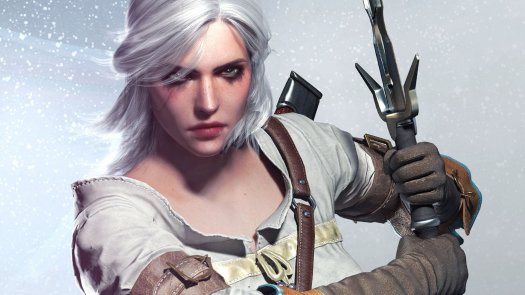
As an unabashed TV binge watcher, I spend a lot of time stalking streaming sites for my next fix and I think the epic fantasy monster romp The Witcher is it. Unfortunately, the series has already faced some harsh criticism by fans, mainly due to a recent casting notice tease calling for a BAME (Black, Asian, minority, ethnic) actress to play Ciri.
We’ve all been disappointed by casting decisions of our favorite characters, but its the creative changes that really make or break an adaptation. When it comes to casting, I am a firm believer in choosing the best actor for the role, and looks really shouldn’t have much to do with it. Although fans were surprised by Netflix’s announcement to cast Henry Cavill as main character Geralt of Rivia, his talents and A-list start status will bring a lot of attention to the series once it is released.
Showrunner Lauren S. Hissrich had this to say about Cavill as Geralt on Twitter: “Henry saw beyond the script pages. He saw the human connection that Geralt perpetually needs, even if he denies it, kicking and screaming at every turn. What I saw was Geralt's heart, in Henry”. I think an actor’s relationship with the character he or she is playing is more important than how closely they might resemble each other, and am glad that Hissrich sees it that way too. Hissrich is currently on a hiatus from Twitter, but has been clear and open in her attempts to make the cast more racial diverse to fight “historically accurate” casting tropes in fantasy.

Hissrich made sure to point out that the author of The Witcher, Andrzej Sapkowski, is open to his world being more diverse before she went on her hiatus. Sapkowski is used to his work being adapted, but as a creative consultant for the series he seems to be the most onboard for this project. "I'm thrilled that Netflix will be doing an adaptation of my stories," said Sapkowski. "...staying true to the source material and themes that I have spent over 30 years writing. I'm excited about our efforts together as well as the team assembled to shepherd these characters to life." I think it’s safe to say that the series has Sapkowski’s blessing, so fans should expect that at least it’s on the right track.
Luckily, many fans are open to the possibility of a young woman of color playing Ciri, stating that her white hair, green eyes, and scar are all that really matter. Other, more vocal fans, are upset because a diverse casting would change the whole dynamic of the Witcher world, which is one of racial inequality, discrimination, and predominantly white. If Ciri, the only princess of wartorn Cintra, were to be played by a young woman of color then so should the rest of the royal family and that would mean they aren’t in Poland anymore. That shouldn’t be the problem if the story is told in a compelling and authentic way.
Netflix’s Vice President Erick Barmack describes the series as “...a rich and memorable world, at once magical and familiar,” and he “couldn’t be more excited about bringing The Witcher saga to Netflix members around the world.” With the Witcher existing in a world both “magical and familiar”, it just begs for some diversity and creative interpretation. This series just feels like the next step in The Witcher Saga. The transition from book to video game is difficult enough, but it worked and maintained a strong fanbase. With expansion comes more things. For instance, Geralt is even set to appear in Soul Calibur VI.
As I said before, creative changes are essential in any adaptation. If we’ve learned anything since The Watchmen it’s that rehashing an original story in a different format never really works. Not only is it boring for long time fans, but it also makes it difficult for people who are unaware of the source material to fully relate and understand, especially if an adaptation caters to a knowing audience. I like to think that whenever something is adapted from one medium to another, it is important to challenge the original in some way.
In the case of The Witcher, a diverse cast would more accurately depict similar issues we still struggle with as a society and make the characters more relatable to a wider audience. Ultimately, all the nitty gritty details will be decided by Netflix and the showrunners, but I hope they decide to take this chance as a way to make a statement about inclusion and creative storytelling that inspires future projects.