Is It Too Easy To Become A Pro These Days?
By Zac Cameron ·
The competitive scene for Call of Duty has exploded since the early days, but the recent expansions have some wondering if it is too easy to become a pro player now.
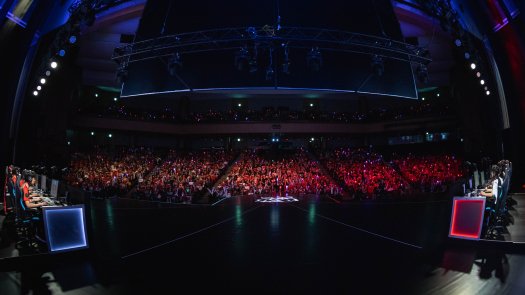
Competitive esports have exploded since the early days of StarCraft and Street Fighter, with hundreds of games and thousands of competitors all battling to be considered the best in their particular arena. But with the explosion of popularity, and the resulting explosion of new teams and organizations, is it now too easy to become a pro player in some games?
Longtime members of the Call of Duty scene James 'Clayster' Eubanks and Anthony 'NAMELESS' Wheeler took to Twitter earlier today with a brief discussion on some of the changes in the scene since the early days.
Lmfao dude right? I had to team with 15-16 year olds even AFTER I had established myself. Guess it’s just the state of the scene right now, but I wish I coulda came in on a T1 org making RACKS off the rip. I had to win 7 tournaments to get paid $500/mo LOL
— eU Clayster (@Clayster) December 16, 2018
"Back in the day, you had to prove yourself before getting on a Tier 1 org and playing with elite players," NAMELESS tweeted. "Nowadays, you just have to fry online and be available. Crazy how times change."
"Dude right? I had to team with 15-16 year olds even AFTER I had established myself," Clayster responded. "Guess it's just the state of the scene right now, but I wish I could have come in on a T1 org making racks off the rip. I had to win seven tournaments to get paid $500 a month."
As players enter the scene at younger and younger ages, and the average age continues to drop, is the choice to take a potential prodigy and sign them to a team over a proven but potentially less talented veteran hurting these teams? It seems unlikely that this trend will end anytime soon, with multiple young players proving that they are the backbone of their respective teams. Perhaps it’s more a sign of the times that younger players are more comfortable banking on their individual skill as a player as a potential career path, similar to mainstream sports or other creative industries. Regardless, it seems that as long as the players who do wind up on stage deliver, the fans will remain content watching excellent gameplay.