GTL: The Politics Of EVO 2018 & The Bar For Entry To Fighting Competition
By TJ Denzer ·
The line-up of EVO 2018 has drawn a variety of criticism and it brings up a variety of discussion how titles in the most famous fighting game tournament around are selected. Moreover, what does it take to enter competition in the fighting game community?
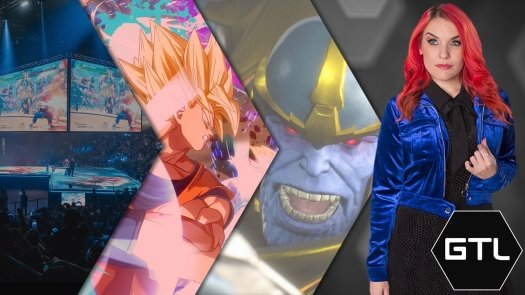
With EVO 2018 coming sooner than later this year, fans have hotly debated the line-up for the stage since it's announcement. What goes into the discussion of a fighting game's inclusion at EVO? Mandie Roman discusses the matter on this episode of Game Talk Live with help from expert panelists, including professional voice actor and Guilty Gear competitor Alex "Octopimp" Gross, Echo Fox fighting champion of such games as Dragon Ball FighterZ and Injustice 2 Dominique McLean, and esports fanatic and journalist Nick D'Orazio.
When the EVO 2018 championship line-up was announced, it drew its share of concern from fans and players alike with glaring omissions like Marvel Vs Capcom: Infinite while games like Blazblue: Cross-Tag Battle will make the main stage while it won't be out on actual release for months after the EVO 2018 competition. Is it actually player base that makes a game EVO-worthy, or are there politics in play that kept a game like MvC:I out while allowing Blazblue: Cross-Tag Battle in.
On top of the discussion of EVO politics, the panel discusses what makes a fighting game good. Is it mechanics? Is it developer support? Do the fans make the game? The experts break down the variety of factors that make a fighting game worthwhile and acceptable in the fighting game community, such as versatility, offense, defense, and the options the game allows for in all of their factors.
“What makes a good #fightinggame is a #game that favors neutral over the oppressor. But you also have to take into account a situation where offense and defense are perfectly balanced." -@SonicFox5000 of @echofoxgg
— GameTalkLive (@GameTalkLive) February 28, 2018
Watch Live: https://t.co/2Z3EG1AQXW #FGC pic.twitter.com/mHcg0aAxbK
Earlier this month, EVO Global Business Developer Mark Julio started a thread on Twitter in which he discussed the reasons for inclusion or exception of any given fighting game title. Julio cited licensing issues with companies for the reason in why certain games don't make the cut. Is there truth to this matter or is it just one of the many reasons being used as a scapegoat to exclude games players want in the competition?
Panelists discuss the nature of corporate affairs in EVO's line-up. Lobbying, fan base, and strict statistics come into play for the consideration of whether or not Julio's thread has weight. The team discusses how much control fans have over the EVO line-up. Is a game at EVO because the fans want it or do the fans want a fighting game because it was at EVO? The question is debated between guests.
"I’d like to see tons of new crazy #fightinggames from @Capcom_Unity but from a business perspective, I’d probably play it safe." -@OctoPimp
— GameTalkLive (@GameTalkLive) February 28, 2018
Watch Live: https://t.co/2Z3EG1AQXW #capcom #StreetFighter #StreetFighterv #FGC #GamersUnite pic.twitter.com/aHZ60IISWG
Since the release of the EVO 2018 line-up, Arc System Works has said it would happily take every opportunity to dominate the EVO line-up. Is Arc System Works being greedy or are they right to take every slot they can in the competition. The panel considers the Arc's motives and attitude, as well as talking about the number of entrants of publishers in the scene. The matter of money, variety of representation, and more come into debate as the team talks about who gets their slot in the big competition.
The panel then turns its attention towards longevity of a game. Super Smash Bros Melee most certainly comes into discussion as to what gives a game staying power. Moreover, the panel looks at newcomer Dragon Ball FighterZ and considers if it has what it takes to hold up against the test of time. Style, accessibility, ceiling for skill, and simple fun factor come into the discussion as the team speculates on what these things mean for Dragon Ball FighterZ's future.
As an aside, panelists discuss whether or not EVO is remaining respectful to its roots of presenting the best fighting game arenas, or if it is in danger of becoming a full-on trade show where money decides the line-up and new games take the place of good games in the competition.
"There should be a variety of #games from a variety of #developers. I don't think it's a good idea to have it be all @ArcSystemWorksU games." -@Octopimp
— GameTalkLive (@GameTalkLive) February 28, 2018
Watch Live: https://t.co/2Z3EG1AQXW #Evo2018 #Evo #FGC #arcsystemworks #GamersUnite #videogames #gamers pic.twitter.com/jWJQu7FYTT
Finally, Game Talk Live moves towards the subject of how newcomers break into the competitive scene of fighting games. Is it better for competitors to start off with a niche title or is it beneficial to simply jump into the game that suits you best regardless of how big and competitive the scene is? Experts suggest playing the game that resonates with you as well as having the drive to stick with the game and keep up with the competition.
Moreover, the panel discusses the motives behind reason to enter fighting game tournaments, such as meeting other players, enjoying a like-minded community, enjoying the competition in the games themselves, and, of course, a response to entering tournaments to win money. GTL also discusses whether they'd like more developer support and structure in competitions or if it's better off in a less corporate and more natural state.
"The fighting game community is all about personal skill. It’s all about, 'Can you show up and play?'"-@nickdorazio3rd
— GameTalkLive (@GameTalkLive) February 28, 2018
Watch Live: https://t.co/2Z3EG1AQXW #videogames #Evo2018 #fightinggames #fgc #GamersUnite #geeks pic.twitter.com/e1G45KdzvZ
The show has wrapped up for today, but you can catch it in its entirety in the video above. Be sure to check out the previous episode as well where the panel discusses the various forms of emerging cryptocurrency and its effect on the video game landscape.