GTL: Geek Gatekeeping & The Influence Of Mainstream
By Twin Galaxies Editorial Staff ·
It's more than a little often that mainstream media attempts to adopt a popular geek franchise over to more general audiences through movies, TV, and more. Is "geek culture" changing? How does a niche franchise keep it's magic?
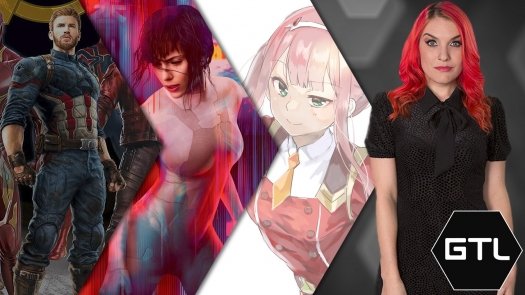
On this episode of Game Talk Live, host Mandie Roman dives into geek culture and the interests of mainstream media in its many attempts to adapt niche source material to broader audiences, often to unfortunate effect. Joining Mandie on today's show are expert panelists including YouTube personality and anime/otaku enthusiast Akidearest; voice actor, producer, and game developer Dexter Manning; and producer and co-host of the Hyper Otaku and Senpai Buddies podcasts Yume Warlock.
Increasingly, companies have banked on the fact that products based on beloved "nerdy" franchises seem to sell extremely well, such as the Marvel Cinematic Universe of films and media. However, success is not guaranteed as live-action editions of animated media such as Death Note and Ghost in the Shell have shown through their theater flops. The question arises whether or not these companies are really celebrating the source material or if it's simply exploitation of franchises that they feel will sell.
Consideration of whether or not companies actually care comes up or whether they put forth the effort. The panelists speak towards a trust issue with huge public figures like Kim Kardashian, who recently claimed she was a big anime fan, and whether or not that's true or if it's simply being used to further public appearance. The experts also consider the positive effect of large-scale celebrities publicly showing that they care about nerd culture. Certainly the trust issue exists and sometimes it can create backlash against celebrities when fans don't believe the interest is genuine, but when someone like Michael B. Jordan proclaims his interest in Naruto, it can legitimize interest in a niche thing on a large scale.
The topic then turns towards the way mainstream media approaches geek and nerd culture. The panel considers the note of shows like Big Bang Theory which presents a lot of stereotyping of nerd culture, as well as whether these portrayals are harmless or damaging. Does mainstream take advantage of nerd culture without any respect for it or is it something less malicious?
Consideration of adaptations are also considered where popular brands are often maimed in translation and adaptation to the mainstream. The history of adaptations as a whole come into discussion, such as the 60s, 70s, and 80s adaptations of DC and Marvel properties. Just as well, the panel discusses current adaptations, such as Preacher, which was directed by Seth Rogan - a fan of the comics. Is genuine love of the source helpful to adaptation?
On the flipside, the Ghost In The Shell movie was considered, alongside the often ill-considered casting of Scarlett Johansson as the star. The backlash was immense and it brings up the question of if casting like Johansson in such roles damages the image of both the franchise and the fan that admires these franchises. The question comes up as to where it's okay for directors and companies to take creative liberties with established franchises and source material.
This particular episode had some technical difficulties and was split into two videos, the second of which is below.
In the next topic, Game Talk Live turns towards how companies may attempt to take advantage of certain aspects of geekdom. The panelists considers the "fake" or "real" aspects of things like streaming. Twitch in particular comes up, with the boost of "gamer girls" who stream and attract a bigger audience and views.
The panel considers both the "fake" nerd, as well as the over enthusiastic fan that acts as a gatekeeper to any sort of media and how damaging it can be when people either make assumptions about a genre or simply disrespect a medium based on previous disposition. In gaming, elitism has long been an issue with a divide between who gets to call themselves a "gamer" and what stigma has become associated with that label.
Other labels like "PC master race" or "filthy casual" come into the discussion as how gamers have sought to put themselves apart from a typical video game player. The question of whether these labels are simply an attempt to be part of a group or be acknowledged is debated lastly.
Game Talk Live has wrapped up, but you can see it in two parts through each of the videos above. Be sure to check out the previous episode as well where the panel talks about the oppotunities and dangers of game developers engaging in social media.