Why Better Graphics Started Looking Worse
By NewsHound ·
New video from OTG Gaming: Why Better Graphics Started Looking Worse.
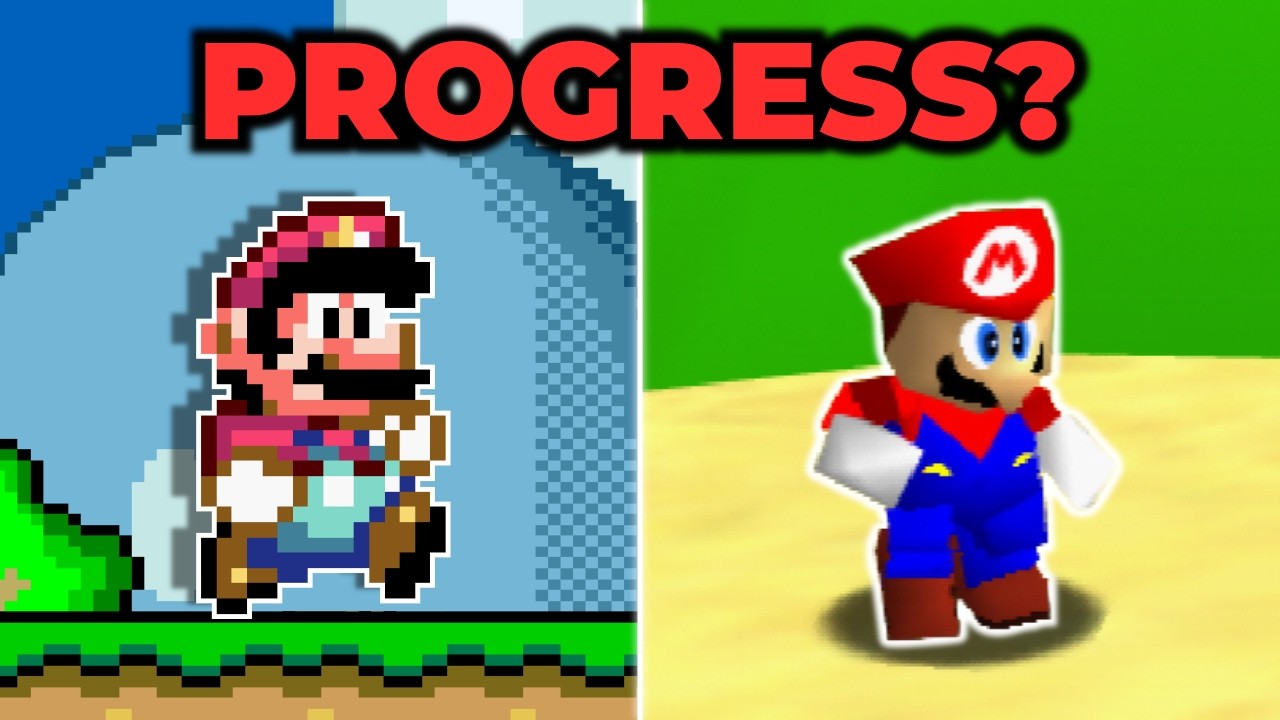
OTG Gaming examines why Super Mario 64 can appear rougher than its 2D predecessor, Super Mario World, yet still represent a major graphical leap. The video highlights the technical constraints of early 3D rendering that produced blockier textures. It argues that visual fidelity alone does not capture the significance of the transition.
The shift from 2D to 3D did more than make games prettier; it expanded what graphics could achieve in gameplay and world design. the new dimension introduced depth cues, camera control, and dynamic lighting that reshaped player experience. These changes laid the groundwork for modern visual standards.
By focusing on the evolution of graphics rather than surface polish, the video offers a nuanced view of gaming history. It underscores how early 3D titles set the foundation for the sophisticated visuals seen today.
Watch the full breakdown of early 3D graphics and why they seemed worse at first:
Comment highlights:
"The "better" graphics in SMW vs. SM64 are most often due to viewing the 1996 game on hi-def monitors. It's going to look bad when we're used to 1080p or 4k content. But on the typical blurry CRT TV..." - @morlamweb
"The GameCube and PS2 era is when I think 3D games started looking more polished and detailed." - @JohnSegerclucka
"Idk, I'm baffled by the hook for this video. Most everyone playing SM64 in the mid-90s were blown away by its graphics; its colorful and then ultra-smooth 3D rendering was what sold the console and..." - @Spoofer