Weve Been Measuring Replayability Wrong
By NewsHound ·
OTG Gaming examines why some games stay fresh for decades while others lose appeal.
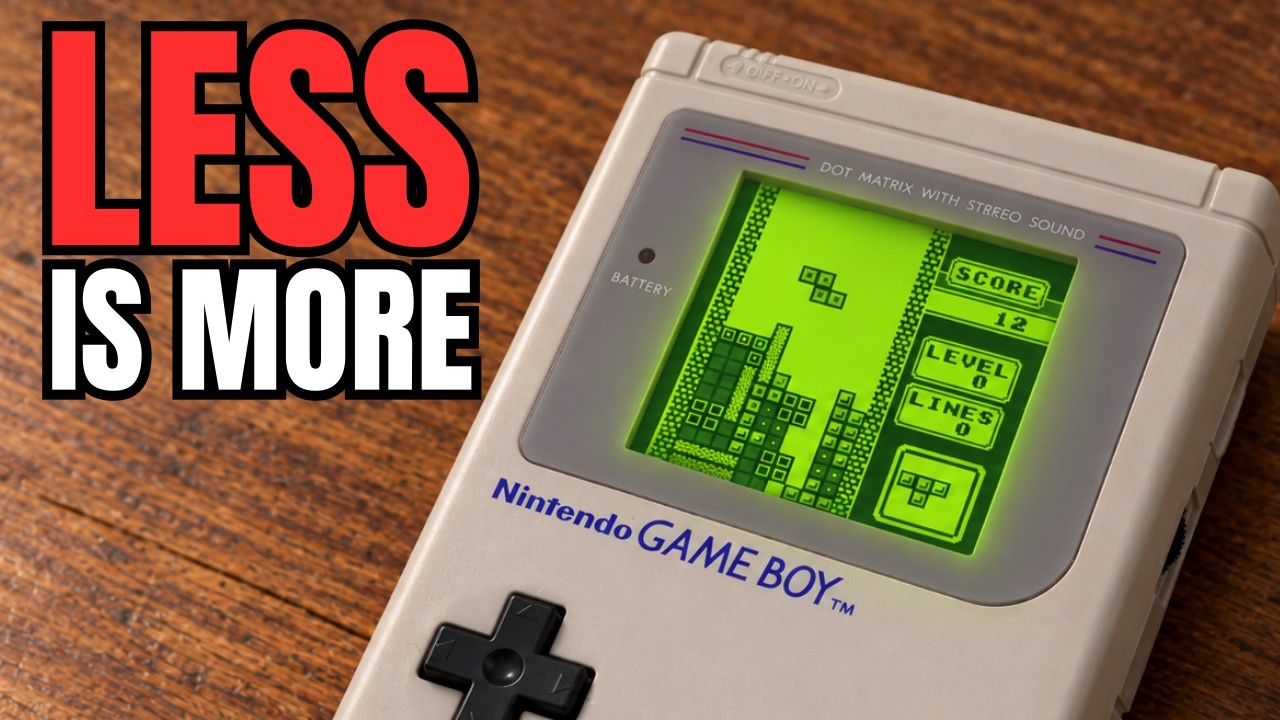
The new upload from otggaming3180 investigates why certain titles keep players returning for decades while others struggle to retain interest despite extensive content. It contrasts the addictive simplicity of Tetris with the sprawling quests, collectibles, and objectives of contemporary open-world adventures. The video asks what factors truly determine a game's replay value.
The discussion also questions whether the amount of content is a reliable metric for replayability. It references measurement standards such as ReplayGain, a technical system designed to normalize perceived audio loudness, to illustrate how value may be assessed incorrectly. The presenter suggests that current methods of evaluating games might need revision.
By examining both classic and modern examples, the analysis highlights the complexity of measuring a game's lasting appeal. It proposes that replayability should be assessed beyond sheer content volume, focusing on engagement loops and player satisfaction. Viewers are prompted to reflect on their own experiences and the criteria they use to rate games.
Watch the full analysis on replayability now:
Comment highlights:
"Minutes to learn, lifetime to master. Those are always the best games. There's consistency to the game while still nearly infinite possibilities during gameplay, it's always different." - @chrishamm407
"Very well said. Tetris is one of the closest things to a perfect, pure gameplay experience. It still just as relevant now as it was when it came out, and will still be just as awesome 100 years fro..." - @IllegallySighted
"The thing early gaming, including many of the 1980s and 1990s arcade masterpieces, understood was that gameplay is key, simplicity can be a virtue, and that "one more go" factor will keep gamers pu..." - @IttCrowd-j3o